

Best Yoga Teacher Training in Kerala, India
Create article 2500 with FAQ: Discover the Best Yoga Teacher Training in Kerala, India, and embark on your transformative yoga journey today!
- Overview of yoga teacher training opportunities in Kerala, India.
- Importance of selecting quality training programs.
- Types of yoga styles offered: Hatha, Ashtanga, Vinyasa.
- Benefits of training in a serene environment like Kerala.
- Accreditation and certification options available.
- Notable training schools and programs in Kerala.
- Experienced instructors and their qualifications.
- Personal development and yoga philosophy focus.
- Community and support during training.
- FAQs addressing common inquiries about training specifics.
- Tips for selecting the right program for individuals.
Best Yoga Teacher Training in Kerala, India
The air in Kerala feels different. It is heavy with the scent of jasmine, sea salt, and medicinal herbs. Known as “God’s Own Country,” this southern state in India offers a lush, tropical alternative to the dusty, frenetic energy often found in northern yoga hubs like Rishikesh. For aspiring yoga teachers, Kerala is not just a place to learn asanas; it is a sanctuary where the ancient traditions of Yoga and Ayurveda intertwine seamlessly.
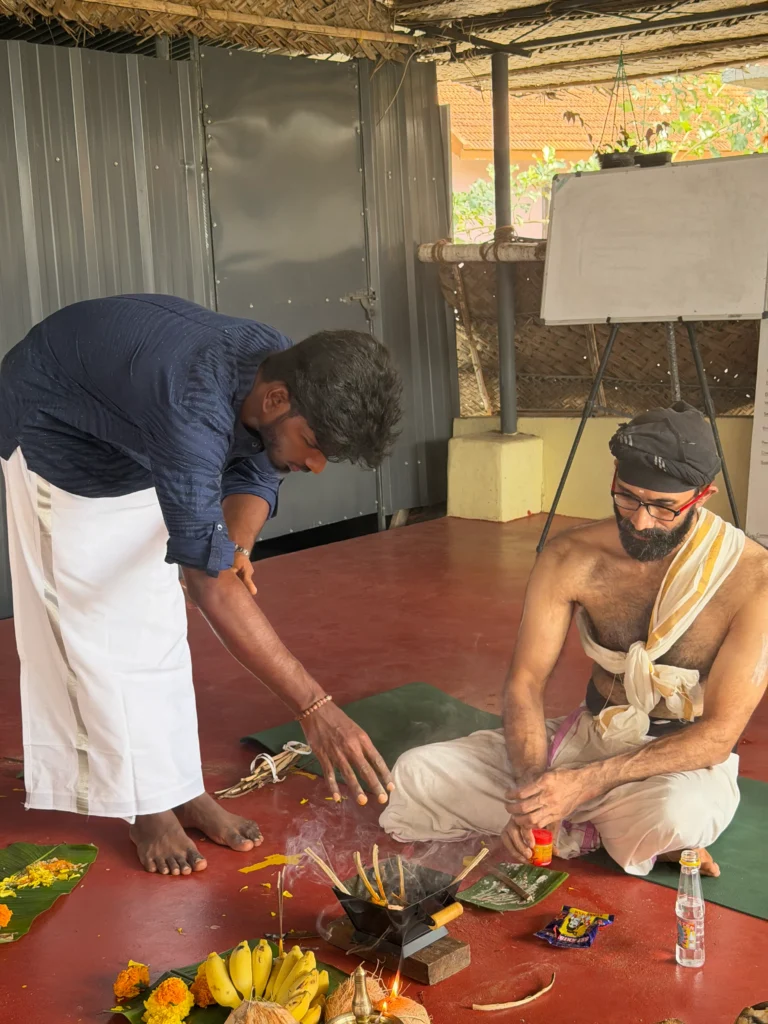
If you are considering a Yoga Teacher Training (YTT) course, the location you choose shapes your entire experience. Kerala offers a slower pace of life, deeply rooted in tradition yet open to global seekers. This guide explores everything you need to know about undertaking your teacher training in this vibrant region, from the unique curriculum to the practicalities of daily life.
Why Kerala is the Ultimate Yoga Destination
India is the birthplace of yoga, but Kerala holds a distinct position within the country’s spiritual landscape. While the north focuses heavily on ascetic traditions, the south-and Kerala specifically-emphasizes a holistic approach to well-being that includes the physical body as a temple.
The Cradle of Ayurveda
You cannot separate yoga in Kerala from Ayurveda. Recognized as the “sister science” of yoga, Ayurveda is the world’s oldest holistic healing system. Kerala is arguably the only place in the world where Ayurveda is practiced in its most authentic, undiluted form.
Most YTT programs here integrate Ayurvedic principles into their curriculum. You won’t just learn how to do a headstand; you will learn which body type (Dosha) benefits most from it and what diet supports that practice. This dual knowledge gives teachers trained in Kerala a significant competitive advantage in the wellness industry.
Serenity by the Sea
Environment plays a massive role in learning. The rigorous schedule of a 200-hour or 300-hour training can be mentally and physically exhausting. Kerala provides a soothing backdrop that counteracts this intensity.
Whether you are in the cliff-top town of Varkala, the backwaters of Alleppey, or the forests of Wayanad, nature is ever-present. The sound of the Arabian Sea or the rustling of coconut palms provides a natural white noise for meditation. This connection to the elements helps students ground themselves, making the intense introspection of a YTT course more manageable.
Authentic Cultural Immersion
Kerala has a high literacy rate and a unique social structure that is welcoming to foreigners while remaining fiercely proud of its heritage. The culture here is defined by art forms like Kathakali (classical dance) and Kalaripayattu (an ancient martial art that shares roots with yoga). Many schools incorporate these cultural elements into their training, offering a broader perspective on Indian heritage than you might find elsewhere.
Styles of Yoga Commonly Taught in Kerala
While you can find almost any style of yoga in Kerala, the region stays true to traditional roots. Schools here generally avoid “fitness-fad” yoga in favor of lineages that emphasize breath, alignment, and spiritual growth.
Hatha Yoga
This is the most common style taught in Kerala. Hatha is the foundation of all physical yoga. A traditional Hatha YTT here focuses on holding postures for longer periods to build strength and concentration. It is excellent for beginners and those who want a deep understanding of alignment.
Ashtanga Vinyasa
Mysore, the birthplace of Ashtanga, is a neighbor to Kerala, so the influence is strong. Many schools in Kerala offer rigorous Ashtanga training. These courses are physically demanding and involve memorizing specific sequences of postures. If you enjoy discipline and a dynamic practice, this style is ideal.
Vinyasa Flow
Modern schools often blend Hatha and Ashtanga into Vinyasa Flow. This style links breath with movement in a creative, fluid way. While less “traditional” than pure Hatha, it is highly popular in Western studios. Kerala schools often teach this to ensure their graduates are employable in modern gyms and studios abroad.
Iyengar Yoga
Named after B.K.S. Iyengar, this style utilizes props like blocks, straps, and ropes to achieve perfect alignment. Kerala has several centers dedicated to this precise, therapeutic method. It is particularly good for those interested in yoga therapy and anatomical details.
Anatomy of a Kerala YTT Course
Understanding what you are signing up for is crucial. A standard 200-hour Yoga Teacher Training is not a retreat. It is an intensive educational program designed to deconstruct your current habits and rebuild you as a teacher.
The Daily Schedule (Dinacharya)
In Kerala, schools often follow a “Dinacharya” or daily routine aligned with Ayurvedic rhythms. While schedules vary, a typical day looks like this:
- 05:30 AM: Wake up bells.
- 06:00 AM: Shatkarmas (Cleansing techniques) and Chanting.
- 06:30 AM: Pranayama (Breathwork) and Meditation.
- 07:30 AM: Herbal tea and fruit.
- 08:00 AM: Asana Practice (The physical class, usually 2 hours).
- 10:00 AM: Brunch (Sattvic meal).
- 11:00 AM: Anatomy and Physiology class.
- 01:00 PM: Yoga Philosophy (Study of texts like the Yoga Sutras).
- 02:00 PM: Rest or Self-Study.
- 03:00 PM: Art of Teaching (Methodology, alignment, adjustment workshops).
- 04:30 PM: Evening Asana Practice.
- 06:30 PM: Meditation or Bhakti Yoga (Singing/Chanting).
- 07:30 PM: Dinner.
- 09:00 PM: Lights out / Noble Silence.
The Curriculum Breakdown
1. Techniques, Training, and Practice
This takes up the bulk of your time. You will dissect every pose. You learn the Sanskrit name, the benefits, the contraindications (who shouldn’t do the pose), and how to modify it for injuries.
2. Anatomy and Physiology
Kerala schools often teach two types of anatomy: Western and Eastern. You will learn about muscles and bones, but also about Nadis (energy channels) and Chakras (energy centers). This blend is vital for understanding how yoga affects the nervous system.
3. Yoga Philosophy and Ethics
You will dive into ancient texts like Patanjali’s Yoga Sutras and the Bhagavad Gita. This section challenges your worldview. It moves yoga beyond “exercise” and frames it as a lifestyle. You will also discuss the ethics of being a teacher, including boundaries and student-teacher dynamics.
4. Teaching Methodology
Knowing how to do a handstand is different from teaching one. This module covers voice projection, class sequencing, demonstration techniques, and the business of yoga. You will practice teaching your peers, receiving feedback from day one.
5. The Ayurveda Component
Unique to this region, you will likely have modules on Ayurvedic diet and lifestyle. You might learn to determine a student’s constitution (Vata, Pitta, Kapha) and suggest specific poses to balance them.
The Food: A Sattvic Diet
Prepare your palate. In a Kerala ashram or yoga school, you will eat a Sattvic diet. This food is designed to keep the body light and the mind clear.
- Vegetarian/Vegan: No meat, fish, or eggs.
- Fresh: Cooked fresh for every meal.
- Mild: Less spicy than typical Indian restaurant food, using healing spices like turmeric, cumin, and ginger.
- Local: Expect plenty of coconut, rice, tapioca, and tropical fruits like papaya and jackfruit.
This diet acts as a detox. Many students find that their energy levels stabilize and their flexibility improves simply by changing how they eat during the course.
How to Choose the Right Program
With hundreds of schools popping up, quality control is a real issue. Here is how to filter through the options to find a legitimate course.
1. Accreditation
Ensure the school is registered with Yoga Alliance (USA) or Yoga Alliance International. While registration doesn’t guarantee quality, it ensures the curriculum meets a global standard of 200 or 300 hours. It is also necessary if you want to teach in established studios in the West.
2. Read the Reviews (Carefully)
Look at third-party sites like Google Maps, TripAdvisor, or yoga-specific directories like BookYogaTeacherTraining. Look for reviews that mention specific teachers. “The food was great” is a nice review, but “The anatomy teacher explained the spine clearly” is a useful review.
3. Lead Teacher Experience
Who is running the course? Look for a lead teacher (E-RYT 500) with at least 5-10 years of teaching experience. In Kerala, you often find a mix of Indian masters and Western teachers. This combination works well-the Indian teacher provides authentic lineage, while the Western teacher bridges the cultural gap in communication.
4. Class Size
Yoga requires personal attention. If a course has 50 students and one teacher, you won’t get the feedback you need to grow. Look for schools that cap their intake at 15 to 25 students.
5. Location Vibe
- Varkala: A cliff-side beach town. It is social, filled with cafes and travelers. Good if you want a balance of study and social interaction.
- Trivandrum/Kovalam: More traditional, quieter, and home to older, established ashrams like Sivananda.
- Wayanad/Munnar: Located in the hills. Cooler weather, surrounded by tea plantations. Best for deep isolation and focus.
Preparing for the Experience
Once you book your course, the preparation begins.
Physical Prep:
Do not arrive at your training having never done yoga. You will be practicing 4 hours a day. Start increasing your practice frequency two months before you leave to build stamina.
Mental Prep:
Let go of expectations. India flows at its own pace. Power outages happen. Classes might start late. Embracing flexibility (mental, not just physical) is part of the training.
Visa Requirements:
Most students enter on a Tourist Visa. India offers an e-Visa for many nationalities which is valid for 30 days, 1 year, or 5 years. Check the official Indian government visa website well in advance. Technically, student visas are for universities, so most yoga students use tourist visas, but verify the current regulations with your school.
Packing Essentials:
- Yoga Mat: Schools provide them, but they can be worn out. Bringing a travel mat is hygienic.
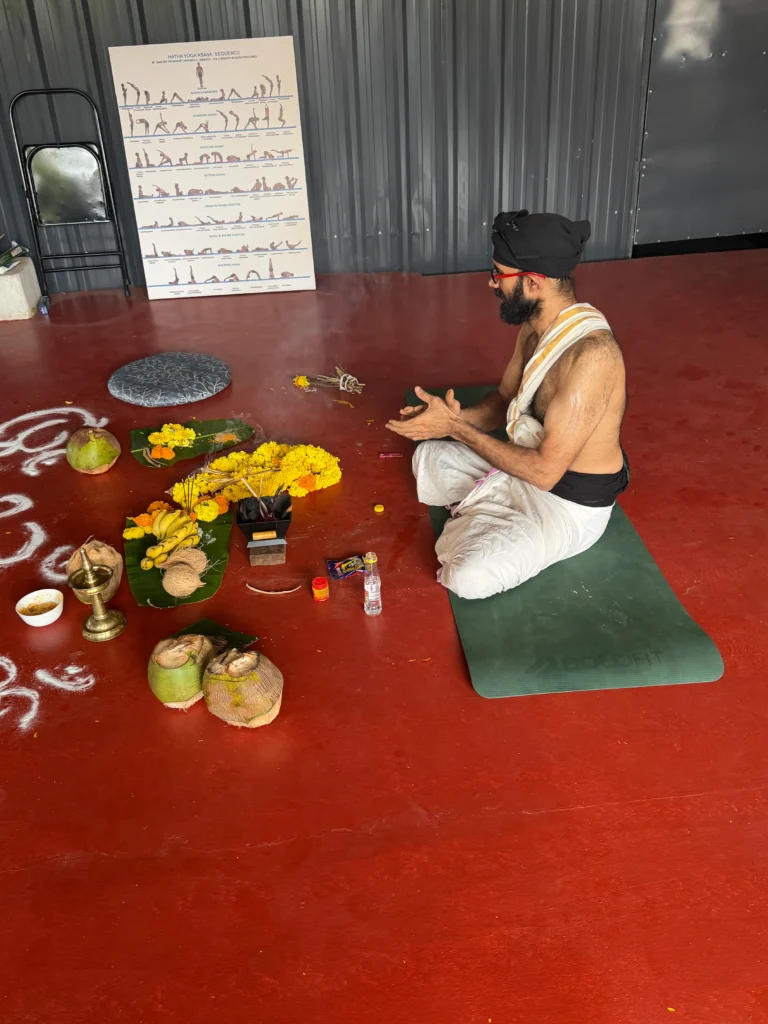
- Modest Clothing: Kerala is traditional. Wear clothes that cover shoulders and knees when outside the yoga shala. White clothing is often required for ceremonies.
- Journal: You will have many breakthroughs you’ll want to remember.
- Electrolytes: The humidity causes you to sweat profusely. Rehydration salts are a lifesaver.
Conclusion
Choosing to do your Yoga Teacher Training in Kerala is a decision to invest in authenticity. It is a place where you strip away the layers of modern stress and reconnect with the simple rhythms of nature and the body. You will leave not just with a certificate, but with a toolkit for living a balanced life-a toolkit forged in the home of Ayurveda.
Whether you intend to teach full-time or simply want to deepen your personal practice, the schools in Kerala offer a nurturing, disciplined, and spiritually rich environment that is hard to replicate anywhere else in the world. The humidity, the discipline, the chanting, and the community will transform you.
FAQ: Yoga Teacher Training in Kerala
How much does a Yoga Teacher Training in Kerala cost?
The cost varies significantly based on luxury levels. A traditional ashram experience with basic accommodation might cost between $800 and $1,200 USD for a month, including food. Mid-range schools with private rooms and AC usually range from $1,400 to $2,000 USD. Luxury retreats can go upwards of $3,000 USD. Always check if meals and course materials are included in the fee.
Is it safe for solo female travelers?
generally, Kerala is considered one of the safest states in India for female travelers. It has high education levels and a respectful culture. However, standard travel precautions apply. Dress modestly (cover shoulders and knees), avoid walking alone in isolated areas at night, and stick to reputable accommodations. The environment within yoga schools is usually very safe and community-oriented.
Do I need to be advanced in yoga to take the training?
No. A 200-hour training is a foundational course. You do not need to be able to do a handstand or put your leg behind your head. You do, however, need a dedication to learn and a basic level of physical fitness to handle the daily schedule. Schools look for a willing attitude more than physical perfection.
What language are the classes taught in?
Almost all international yoga schools in Kerala teach in English. The instructors are accustomed to teaching students from all over the world. However, Sanskrit names for poses and concepts will be used frequently, which you will learn as part of the course.
What is the accommodation like?
Accommodation ranges from dormitory-style rooms in ashrams to private cottages in resorts.
- Ashram Style: Basic, clean, no AC, shared bathrooms. Focus is on simplicity.
- Resort/School Style: Often offer private rooms with en-suite bathrooms, Wi-Fi, and air conditioning (highly recommended due to Kerala’s humidity).
Check if hot water is available, though in the tropical heat, you might prefer cold showers!
When is the best time to go?
Kerala is tropical.
- Peak Season (Winter): December to March is the best time. The weather is dry and pleasant, not too hot.
- Shoulder Season: October, November, April. Getting warmer/wetter but still manageable.
- Monsoon (Off-Peak): June to September. It rains heavily. However, Ayurveda is considered most effective during the monsoon, so some students prefer this time for a deep, introspective experience, despite the rain.
Will my certification be recognized worldwide?
If you choose a school registered with Yoga Alliance (USA) or Yoga Alliance International, your certification will be recognized globally. This allows you to purchase liability insurance and teach in studios across the US, Europe, and Australia. Always ask the school for their Registry ID before booking.